Are you studying about weather for kids? This simple, but memorable weather science experiments will help kids understand that clouds behave like water since a cloud is made mostly of water. This easy weather science experiments is perfect for pre-k, kindergarten, first grade, 2nd grade, 3rd grade, 4th grade, and 5th graders too. All you need are a few simple materials for this cloud experiment.

cold weather science experiments for kids
Whether you are learning about clouds, seasons, weather, or spring storms – this fascinating cold front experiment is sure to leave a lasting impression! This quick and easy weather science experiments allows students to visually see what happens when a cold front and a warm front meet, just like they are always talking about on the Weather channel or weather segment of the evening news. This weather experiment is perfect for preschoolers, kindergartners, grade 1, grade 2, grade 3, grade 4, and grade 5 students. Homeschoolers, parents, and teachers alike will want to add this cloud experiment to their weather for kids unit.
We have lots more science experiments for kids and weather experiments for kids to choose from! Try our simple and fun water cycle activity in a bag and burning candle experiment worksheet answers

weather experiments for kids
A cloud front, or a big pile of clouds, behaves much like water in a cup since it is made up mostly of water. I asked my kids what they thought happened when a pile of hot water hits a pile of cold water. We hypothesized what would happen when these fronts would meet in the sky and in our science experiment with water.
weather science experiments for 3rd grade
This is such an easy science experiment, but such a great one for allowing kids to visually see what happens. Here are the supplies you’ll need:
- large clear plastic or glass container
- measuring cup with 1-2 cups cold water with 5-7 ice cubes
- measuring cup with 1-2 cups very HOT water
- red and blue food coloring
- piece of cardboard cut to fit the large container

cold weather experiments for kids
We prepared the warm and cold water for our experiment. I added some snowflakes to the outside of the cold measuring cup to help kids visualize the blue was a cold front. It doesn’t really matter how much water you use as long as you use equal parts hot and gold in the large container and that they fit in the containers you have on hand.
Fill up the first container with COLD water, add blue food coloring and stir. Then add 5-7 ice cubes. I used a similar sized glass for the hot water. You can use water heated in a tea kettle or microwave it for 90 seconds. Then add red food coloring to the hot water. As the food coloring moved through the water we talked about how the molecules in hot water are moving faster than in cold water, so the food coloring dissolves into the hot water faster also. Finally, I prepared our large container by cutting a piece of cardboard that would fit into the middle easily. Remember you need the large container to be clear so you can see the colors moving through the sides.

weather science experiments
Carefully pour the cold water into one side of the cardboard in your large container. Now pour the hot water into the other side of your hardboard. The cardboard will keep them mostly separate.

weather fronts for kids
Quickly and carefully pull the cardboard out so the cold front meets the warm front.

cold front for kids
At first you will notice where the cold and warm water meet some of the water, where the temperatures have equaled out together, will turn purple.

weather science experiment
But at the sides, the water will swirl and settle with the cold water on bottom, the hot water on top, and a purple zone where they mixed in the middle! Remember the warm front moves to the top because warm air molucules move around; since they take up more space they are less dense than the cold air molecules, so the cold naturally settles down while the warmer molecules spread out and up.
When the fronts meet, it can be volatile and stormy. So when we have cold weather with a quick rise in temperature or warm days with snap cold periods, that is when we get more storms and tornados. This is typically why stormy season is worse in the spring and fall, the border seasons!

cold weather science experiments
Simple, but memorable EASY weather science experiments for kids to see what happens when a cold front meets a warm front.








Popular Science Activities
Looking for lots more fun, science experiments for kids? You’ve GOT to try some of these outrageously fun science experiments for kids! Plus don’t miss all our science for kids, types of free science lessons, or seasonal science experiments.
- Tons of Kindergarten science experiments by month, How to Make a Lava Lamp, or POP rocks science experiment
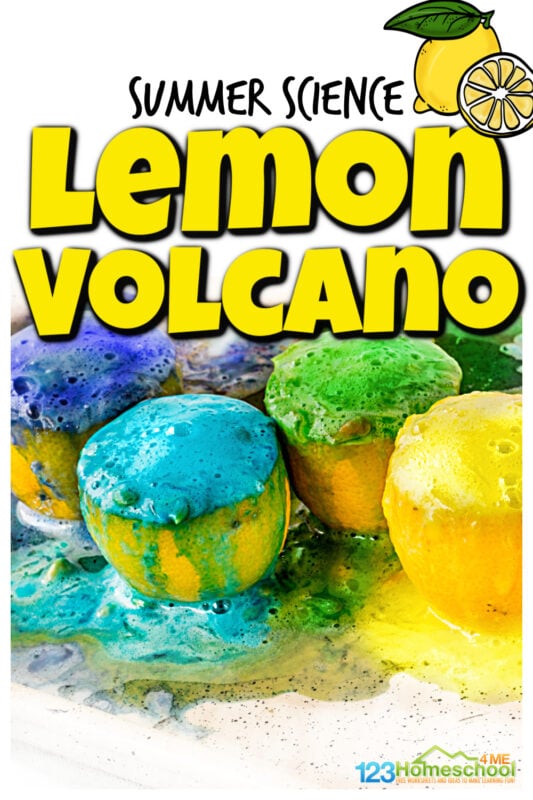
- EASY Lemon Volcano, or 100 Amazing Food science experiments for kids (arranged by type of science), Dancing Raisins Experiment, or 19 Edible science experiments,
- Colorful Capillary action science experiment (also known as walking water), stunning Chromatography Flowers, colorful Oil and Water Science Experiment, or beautiful Color-Changing Flowers
- Magnet Experiments for Kids, amazing Magnetic Field Sensory Bottle, hands-on Science experiments with batteries, fun squishy circuits projects, and 30 Simple machines science projects
- 24 Epic Solar system science projects, HUGE Free Solar System Unit, Pipe Cleaner Constellation Activity, and simple Galaxy science project
- Why do Leaves Change Color Experiment, Leak Proof Bag Science Experiment with Everyday Materials, EPIC Mentos and Soda Experiment, and Mind-Blowing Magnetic Slime for Kids
- Fun Water balloon science experiment that explores density, 50 Fun Preschool science experiments, and Animal Classifications for Kids Cootie Catchers
- Weather Projects – how to make a weather vane and Air pressure science project
- Color Changing Slime, colorful bubble snakes, neat burning candle experiment worksheet answers, fun Lego Zipline, look INSIDE a Volcano Project, or Exploding Watermelon
- Human Heart for Kids, hands-on Human Body Project, Eye opening Eye science experiments, Life Size Skeletal system science project, free parts of the brain worksheet, and playdough human body game
- Hands-on Newton’s cradle project, DIY draw bot for kids to make, LOTS of Life Cycles for Kids and 10 fun science experiments