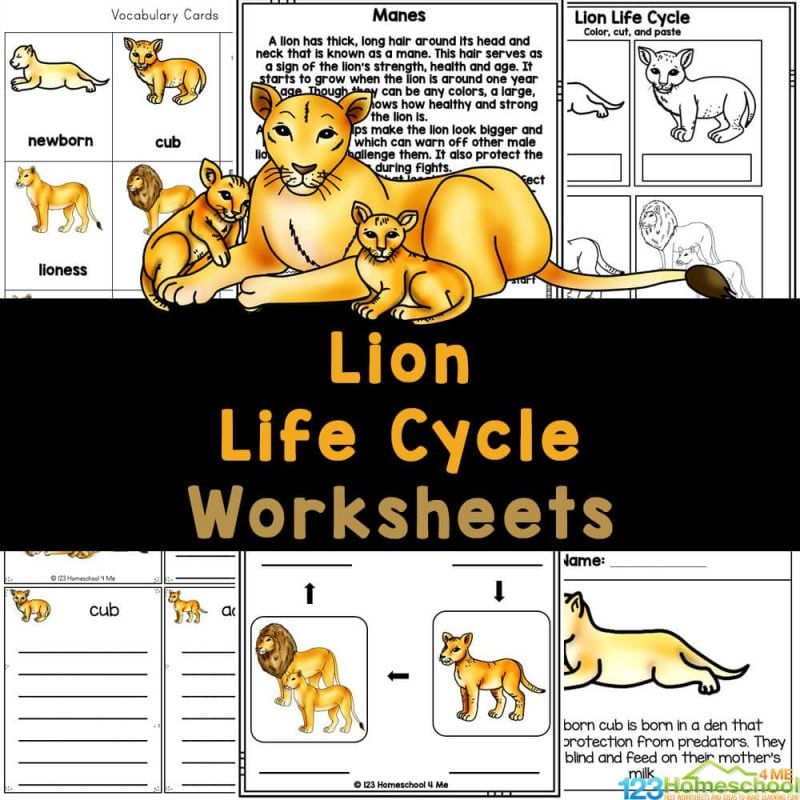
Learn about the lion life cycle with these free printable life cycle worksheets! In these free printables, elementary age students will learn how lions are big, social cats live in prides and the males are known for their large, impressive manes. There are 30 pages of activities to learn about the life cycle of lions!

Lion Life Cycle Worksheets
Are you ready to dive into the fascinating world of lions and their life cycle? We have just the resource for you! Our free printable worksheets offer an engaging way to explore the life cycle of these magnificent creatures. With a total of 30 pages filled with fun activities, kids can learn all about how lions grow and develop, from adorable cubs to powerful adults.
With our life cycle worksheets, first grade, 2nd grade, 3rd grade, 4th grade, 5th grade, and 6th grade students will learn abou these amazing mammals! Children will learn about lion life cycles, habitat, science terms like carnivore and pride, parts of a lion, complete reading comprehension passage questions, and more.
See 75+ more life cycle worksheets, find fun science experiments for kids, and explore animal activities!
Lion Worksheets
Start by scrolling to the bottom of the post, under the terms of use, and click on the text link that says >> __________ <<. The pdf file will open in a new window for you to save freebie. Then, simply print the pages and you are ready to learn about the life cycle of a lion. You will love that these activities require NO PREP! These free worksheets are color, and some in black and white.

Lion Life Cycle
It all begins when a lioness gives birth to a litter of cubs. Baby lions, called cubs, are usually born with their eyes closed and are completely dependent on their mothers for food and care. They weigh only about 2 to 4 pounds at birth, and their fur is covered in spots, which help them blend into their environment. This camouflage is helpful in keeping them safe from predators. The lioness keeps her cubs hidden in a den during the first few weeks of their lives to protect them.
Once the cubs reach about three months old, they begin to explore their surroundings and play with one another. This playful behavior is important as it helps them develop their hunting skills. They learn to stalk and pounce on each other, mimicking the movements they will eventually use when hunting for real. Lion cubs spend a lot of time with their mothers and the pride, learning vital social skills and pack dynamics.
As they grow older, around six months, the cubs can start eating meat, although they will continue to nurse for a while. The pride, which is a family group of lions, plays a crucial role in their upbringing. The adult lions work together to hunt and protect the cubs, ensuring they get enough food and are safe from dangers.
When the cubs reach about one year old, they become more independent and can hunt alongside the adults. However, they may not fully participate in hunts until they are older. They also begin to establish their place in the pride and learn how to communicate and cooperate with other lions.
Around two to three years old, young lions are reaching adulthood, and their appearances change significantly. Males develop amazing manes that can be dark or light depending on their genetics and environment. This mane not only makes them look impressive but also helps protect their necks during fights. Females, on the other hand, remain without a mane and focus on honing their hunting skills.
At approximately three years of age, males may start to leave their natal pride to find their own territory and mate. This is a risky time for young males because they will often have to fight with other males to secure their own pride. If they are successful, they can establish themselves as the pride leader.
Females usually stay with their pride for life, where they help care for each other’s cubs and support the pride in hunting. Lionesses are the primary hunters of the group, working together in coordination to bring down larger prey like zebras and buffalo.
As lions age, they face many challenges, including competition from younger lions, disease, and the dangers of their environment. Typically, wild lions live to be around ten to fifteen years old, while those in captivity can live longer due to regular meals and veterinary care.

Life Cycle of Lions
- Vocabulary Cards – newborn, cub, adolescent, lioness, lion, habitat, lioness with newborn, lioness with cubs, meat
- Life Cycle Poster
- Write the life cycle
- Cut and paste the life cycle
- Draw the life cycle
- Color the life cycle
- Cut, paste and color the life cycle
- Color and create a life cycle mini book
- Trace and create a life cycle mini book
- Life Cycle mini book – write your thoughts

Life Cycle Worksheets
- Parts of a lion – eye, mane, ear, tail, whiskers, leg
- What I know, what I want to learn
- Can, have, are
- Vocabulary page – mane, pride, lionheared, warm blooded, bertebrate, crepuscular, carnivore, hunting, marking, roar, predator, king of the jungle
- Life Cycle Reader
- Habitat Reading comprehension
- Manes reading comprehension
- Lion Life cycle reading comprehension
- Book Report
- Animal Report
- My Notes
- Some answers included



Science for Kids
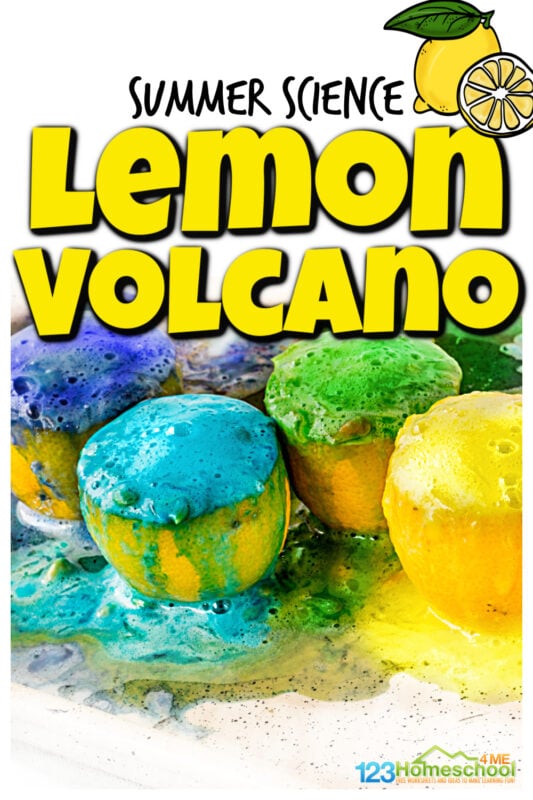
- Quick and EASY Lemon Volcano – a fun twist on classic volcano science project using acidity of lemon instead of vinegar as the acid
- 100 Amazing Food science experiments for kids – arranged by type of science
- Colorful Capillary action science experiment (also known as walking water)
- EASY Magnetic Field Sensory Bottle that will WOW your kids!
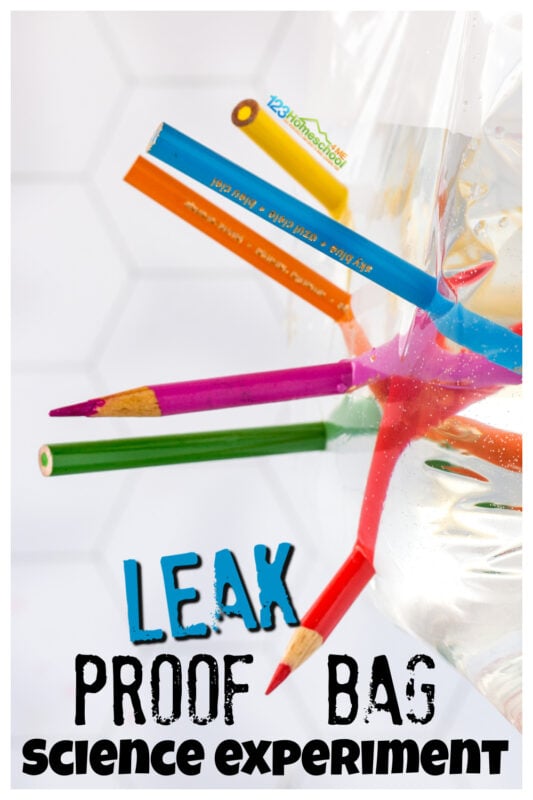
- Leak Proof Bag – Amazing Science Experiment with Everyday Materials
- Exploring with Magnet Experiments for Kids
- Amaze kids with these 12 Hands on Science experiments with batteries
- 24 Epic Solar system science projects to try this week
- Fun Water balloon science experiment that explores density
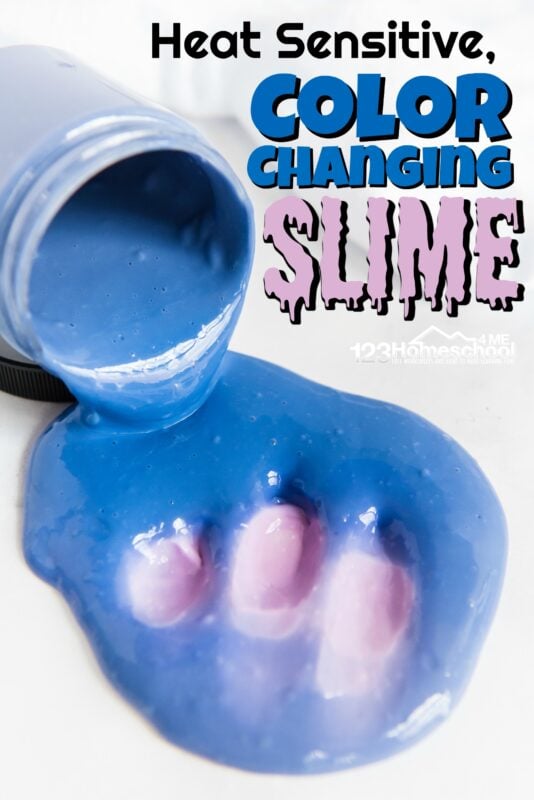
- Amazing, heat-sensitive color changing slime
- 50 Fun Preschool science experiments the whole family will want to try
- Simple Galaxy science project
- Easy and Fun Dancing Raisins Experiment
- Learn about weather as you find how to make a weather vane
- Eye opening Eye science experiments
- Easy-to- make Air pressure science project
- Amazing POP rocks science experiment is one of our all-time favorite science experiments we like to do during the summer are
- Stunning Chromatography Flowers are so pretty you’ll forget it was as science project!
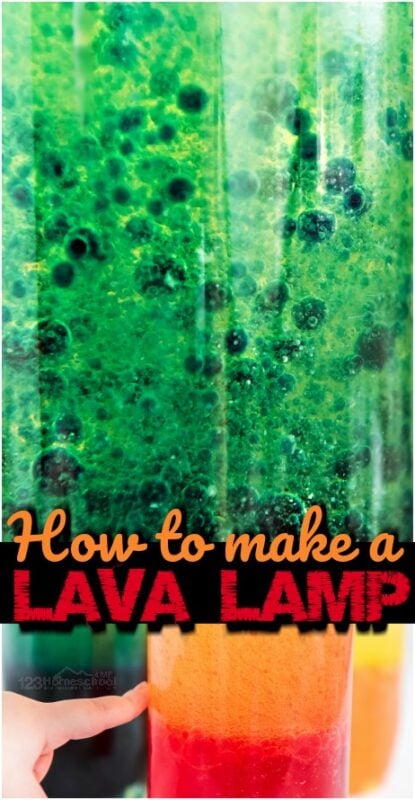
- How to Make a Lava Lamp – super easy and SO cool!
- 30 Simple machines science projects kids will want to try
- Easy, fascinating, and colorful project answering Why do Leaves Change Color Experiment
- Free Printable Animal Classifications for Kids Cootie Catchers
- 19 Edible science experiments – which delicious project will you try first?
- HUGE Free Solar System Unit (coloring pages, hands on science projects, worksheets, and more!)
- Pipe Cleaner Constellation Activity (As seen on Good Housekeeping!)
- Teach kids about conductivity with this fun squishy circuits projects
- Amazing, Heat Sensitive, Color Changing Slime
- Life Cycles for Kids (from penguin to sunflower and spider to turkey we have LOTS of life cycles to explore and learn about)
- EASY, Colorful Oil and Water Science Experiment
- Kids will be amazed as you change colors of white flowers with this Dying Flowers Science Experiment
- This super cool Lego Zipline is fun and simple to make
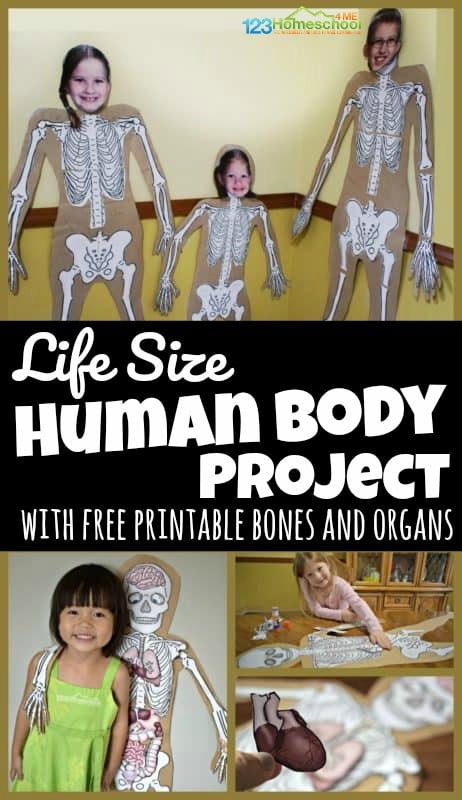
- Human Body Project
- Check out this super cool look INSIDE a Volcano Project
- Exploding Watermelon – science experiment that explores potential and kinetic energy with a big WOW moment!
- Memorable Life Size Skeletal system science project – includes free printable template
- Mind-Blowing Magnetic Slime for Kids, free lab report template
- 5, 4, 3, 2, 1, BLAST OFF! Rocket Baking Soda and Vinegar Experiment
- Find LOTS more Easy Science Experiments for kids of all ages!
Lion Printables
Before you grab your free pack you agree to the following:
- This set is for personal and classroom use only.
- This printable set may not be sold, hosted, reproduced, or stored on any other website or electronic retrieval system.
- Graphics Purchased and used with permission from
- All material provided on this blog is copyright protected.