
Get ready to WOW with dancing raisins! This dancing raisins experiment will not only enterntain, but teach your kids about chemical reactions between baking soda and vinegar. Let us show you how to make dancing raisins with your toddler, pre-k, kindergarten, and first grade students.

dancing raisins
Get ready to WOW with dancing raisins! This fun and educational experiment combines simple household ingredients like baking soda and vinegar to create an exciting demonstration of chemical reactions. Not only will this activity captivate your kids’ attention as they watch raisins bounce and float, but it will also provide a hands-on opportunity for them to learn about science in action.
This experiment is perfect for all ages and requires minimal preparation. All you need are raisins, a clear glass, baking soda, vinegar, and some water. As your kids observe the dance of the raisins, take the time to explain the science behind it. You can discuss how chemical reactions work and how gases can create movement in liquids.
Moreover, incorporating play with learning encourages curiosity and fosters a love for science in your little ones. It’s not just a demonstration; it’s a great way to spark conversations about chemistry and the wonders of the world around us.
We have lots more science experiments for kids to choose from! Plus don’ miss balloon yeast experiment, free lava lamp expeirment worksheet, easy lemon clock experiment, and capillary action experiment.
dancing raisins experiment
This Dancing Raisins Science Experiment uses the same chemical reaction behind the well-known homemade volcano project and the self-inflating balloon experiment. When vinegar (an acid) reacts with baking soda (a base) one of the products of the chemical reaction is carbon dioxide, a gas. In the volcano, the gas creates a bubbly solution which comes oozing out of the volcano. For the balloon experiment, the gas fills up the balloon. This dancing raisins science experiment has a more subtle effect, but still impressive.
Basically, by adding baking soda and vinegar to another liquid, like water, the liquid becomes filled with many bubbles which rise to the surface and pop. If a light object is placed inside the liquid, such as raisins or peanuts, the bubbles stick to the surface of the light objects, increasing their buoyancy, and causing them to rise to the surface with the bubbles. When the bubbles pop at the surface of the liquid, the objects, which on their own are more dense than the liquid, then fall back to the bottom. On the way down and while sitting on the bottom, they collect more bubbles, causing the process to repeat for several minutes. Eventually, either enough of the reactants will be used up to stop the process or enough air bubbles will get trapped inside the raisins to make them remain floating on the surface.

dancing raisins science experiment
All you need are a few simple supplies to try this chemical reaction experiment that usese baking soda and vinegar to create a truly memorable, WOW experiment for kids!
Materials
- A clear drinking glass half-filled with water
- About 1 Tbsp baking soda
- Enough vinegar to fill the remainder of the glass
- 3 raisins, cut or ripped in half
- A spoon

jumping raisins experiment
First, use your spoon to place about a tablespoon of baking soda into the glass half-filled with water. The exact amount is not important.

raisins dancing experiment
Stir the baking soda until it is dissolved in the water.

raisin experiment
Drop the 6 raisin halves into the glass.

how to make dancing raisins
Next, pour some vinegar into the glass until it is about 3/4 full.

dancing raisin experiment
You may need to jostle the raisins a bit with your spoon to get them going. If this doesn’t work, try adding a little more vinegar. If this still doesn’t work, try cutting the raisins into smaller pieces to make them even lighter.

dancing raisins experiment explanation
Watch in amazement as your raisins slowly rise to the surface, then fall back down, over and over again.
Here’s how it works: The carbonated soda contains carbon dioxide bubbles. When you drop the raisins into the soda, they sink to the bottom initially because they are denser than the liquid. But then, bubbles of carbon dioxide stick to the surface of the raisins. As more and more bubbles attach, they create enough buoyancy to lift the raisins to the surface of the soda. Once the bubbles reach the top and pop, the raisins sink again. This cycle continues, creating the delightful illusion of dancing raisins! It’s not just a party trick; it’s a wonderful way to see scientific principles in action.



Science for Kids
- Quick and EASY Lemon Volcano – a fun twist on classic volcano science project using acidity of lemon instead of vinegar as the acid
- 100 Amazing Food science experiments for kids – arranged by type of science
- Colorful Capillary action science experiment (also known as walking water)
- EASY Magnetic Field Sensory Bottle that will WOW your kids!
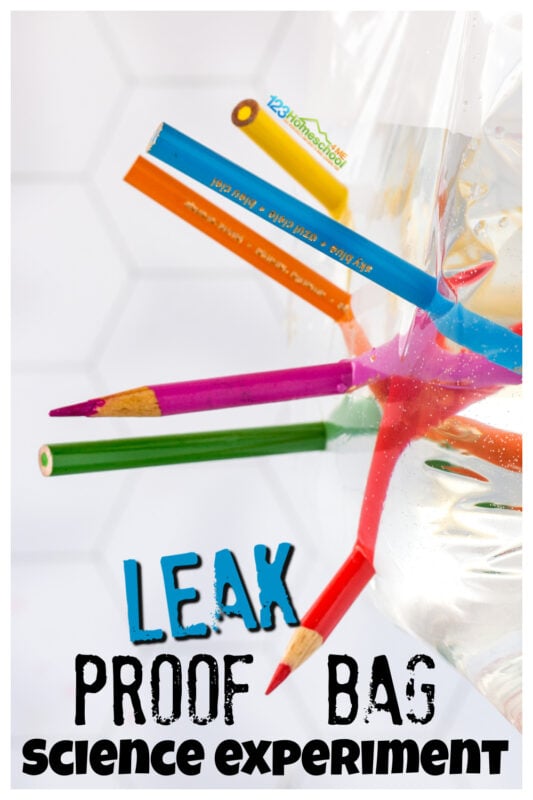
- Leak Proof Bag – Amazing Science Experiment with Everyday Materials
- Exploring with Magnet Experiments for Kids
- Amaze kids with these 12 Hands on Science experiments with batteries
- 24 Epic Solar system science projects to try this week
- Fun Water balloon science experiment that explores density
- Amazing, heat-sensitive color changing slime
- 50 Fun Preschool science experiments the whole family will want to try
- Simple Galaxy science project
- Easy and Fun Dancing Raisins Experiment
- Learn about weather as you find how to make a weather vane
- Eye opening Eye science experiments
- Easy-to- make Air pressure science project
- Amazing POP rocks science experiment is one of our all-time favorite science experiments we like to do during the summer are
- Stunning Chromatography Flowers are so pretty you’ll forget it was as science project!
- How to Make a Lava Lamp – super easy and SO cool!
- 30 Simple machines science projects kids will want to try
- Easy, fascinating, and colorful project answering Why do Leaves Change Color Experiment
- Free Printable Animal Classifications for Kids Cootie Catchers
- 19 Edible science experiments – which delicious project will you try first?
- HUGE Free Solar System Unit (coloring pages, hands on science projects, worksheets, and more!)
- Pipe Cleaner Constellation Activity (As seen on Good Housekeeping!)
- Teach kids about conductivity with this fun squishy circuits projects
- Amazing, Heat Sensitive, Color Changing Slime
- Life Cycles for Kids (from penguin to sunflower and spider to turkey we have LOTS of life cycles to explore and learn about)
- EASY, Colorful Oil and Water Science Experiment
- Kids will be amazed as you change colors of white flowers with this Dying Flowers Science Experiment
- This super cool Lego Zipline is fun and simple to make
- Human Body Project
- Check out this super cool look INSIDE a Volcano Project
- Exploding Watermelon – science experiment that explores potential and kinetic energy with a big WOW moment!
- Memorable Life Size Skeletal system science project – includes free printable template
- Mind-Blowing Magnetic Slime for Kids, free lab report template
- 5, 4, 3, 2, 1, BLAST OFF! Rocket Baking Soda and Vinegar Experiment
- Find LOTS more Easy Science Experiments for kids of all ages!


Thanks so much, did this with my first graders in China and they absolutely loved it!